
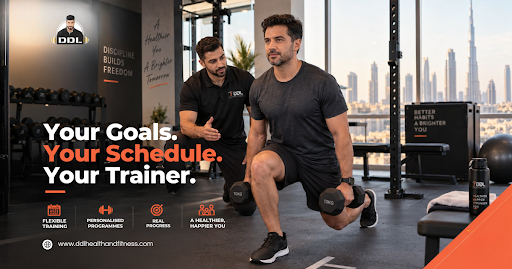
Losing weight can be challenging when work, travel, family commitments and long working hours leave little time for exercise. One-on-One Personal Training provides structure, accountability and individual guidance that can make fitness easier to manage. At DDL Health And Fitness, a personalised approach can be built around an individual’s schedule, fitness level and goals.
Consider a busy professional who had tried regular gym workouts but struggled to stay consistent. The problem was not simply motivation. There was no clear programme, regular accountability or practical way to fit training around work.
This example highlights how Personal Training for Weight Loss can become more effective when workouts, progress tracking and coaching are tailored to the individual. It also explains how a Personal Trainer for Weight Loss can help create a realistic routine and why consistency matters more than extreme short-term workouts.
Why Busy Professionals Struggle With Weight Goals
A demanding career can make exercise feel like another responsibility competing for attention. Meetings run late, travel disrupts routines and tiredness can reduce motivation.
One-on-One Personal Training addresses some of these challenges by creating a scheduled commitment and a programme based on realistic availability.
Common barriers include:
- Irregular working hours
- Unplanned meals and frequent eating out
- Limited time for structured exercise
- Lack of knowledge about effective workouts
- Difficulty maintaining accountability
- Slow or inconsistent progress
For Personal Training for Busy Professionals, flexibility is important. The programme should fit around the person’s lifestyle rather than require a complete change to it.
How One-on-One Personal Training Creates a Focused Plan
A personalised fitness programme starts by understanding the individual rather than applying the same workout to everyone.
A structured approach may include:
- Setting clear goals: Establish realistic weight, fitness or strength objectives.
- Assessing the starting point: Consider fitness level, exercise history and movement ability.
- Planning sessions: Select exercises and training frequency that fit the weekly schedule.
- Tracking progress: Monitor relevant measures such as strength, body weight or measurements.
- Adjusting training: Modify exercise volume or intensity as fitness improves.
One-on-One Personal Training for a Demanding Schedule
The value of personalised coaching is not simply having someone present during a workout. It is having a professional who can adapt the programme when circumstances change.
For example, if work commitments reduce a client’s available training time from three sessions to two, the programme can be adjusted rather than abandoned for that week.
Personal Training for Weight Loss vs Independent Training
Both approaches can work, but the level of guidance and accountability differs.
| Feature | One-on-One Personal Training | Independent Gym Training |
|---|---|---|
| Programme | Individualised | Self-planned or generic |
| Exercise guidance | Coach-led | Self-directed |
| Accountability | Regular appointments | Self-managed |
| Progress adjustments | Based on feedback | Usually self-managed |
| Schedule | Adapted to availability | Depends on personal discipline |
Personal Training for Weight Loss may be particularly useful for people who need structure, coaching and regular accountability to maintain consistency.
What Helped This Busy Professional Stay Consistent?
The key change was creating a process that was realistic enough to follow consistently. Instead of relying on occasional intense workouts, the focus was on structured training and measurable progress.
The approach included:
- Scheduled sessions: Fixed appointments created a reliable routine.
- Progressive exercise: Workouts developed as strength and fitness improved.
- Technique coaching: Guidance helped improve exercise form and confidence.
- Progress tracking: Regular reviews made improvements easier to identify.
- Lifestyle awareness: Training was considered alongside sleep, nutrition and daily activity.
A good Personal Trainer for Weight Loss should also recognise that progress can fluctuate. Short-term changes in body weight are normal, so one measurement should not define success.
Building Sustainable Habits Around Work
Weight management does not depend only on what happens inside the gym. Daily movement, nutrition, sleep and recovery can all influence consistency.
Useful habits for busy professionals include:
- Scheduling workouts alongside important work appointments
- Preparing simple meals or snacks in advance
- Adding walking and active breaks to the working day
- Maintaining a regular sleep routine where possible
- Reviewing progress instead of expecting immediate results
At DDL Health And Fitness, the focus can be on making training practical and sustainable rather than unnecessarily complicated.
Pro Tip: Choose a training schedule you can realistically maintain for months. A manageable routine performed consistently is more useful than an ambitious programme that is regularly skipped.
A Practical Personal Training Checklist
Before starting a programme, consider:
✓ Define your main fitness or weight goal.
✓ Share your work schedule and available training times.
✓ Discuss your exercise history and limitations.
✓ Agree on how progress will be measured.
✓ Allow enough time for recovery.
✓ Review and adjust the programme regularly.
For Personal Training for Busy Professionals, planning around real commitments is essential. A programme that fits the calendar has a better chance of becoming a lasting habit.
How to Choose a Personal Trainer for Weight Loss
Choosing a trainer involves more than comparing prices. Look for someone who understands individual goals and can adapt training when circumstances change.
Consider:
- Relevant professional qualifications
- Experience with similar client goals
- Individualised exercise programming
- Clear progress-tracking methods
- Good communication and coaching
- A realistic approach to sustainable results
One-on-One Personal Training works best when the coach and client communicate openly and regularly. At DDL Health And Fitness, a personalised approach can help create a structured training experience that responds to the client’s needs.
Frequently Asked Questions
Is One-on-One Personal Training effective for weight loss?
One-on-One Personal Training can support weight management by providing an individualised exercise programme, regular accountability and professional coaching. A trainer can adapt workouts according to fitness level, schedule and progress. Sustainable results also depend on broader lifestyle factors such as nutrition, sleep, daily activity and recovery.
How often should a busy professional do personal training?
The ideal training frequency depends on individual goals, fitness level, recovery and availability. A consistent schedule is generally more practical than trying to train every day. A qualified trainer can help determine an appropriate frequency and adjust sessions as workload, fitness and progress change.
Can personal training fit around a demanding work schedule?
Yes. Personal training can be organised around work commitments when the programme is planned realistically. Fixed appointments, shorter sessions and flexible scheduling can make exercise easier to maintain. Personal Training for Busy Professionals should be designed around actual availability rather than an unrealistic ideal timetable.
What should I look for in a personal trainer for weight loss?
Look for a qualified professional who provides individualised programming, clear communication and progress tracking. A Personal Trainer for Weight Loss should understand your goals, consider your current fitness and adjust training as you progress. Avoid unrealistic promises and programmes that use exactly the same approach for every client.
How long does it take to see results from personal training?
Results vary depending on factors such as starting point, training consistency, nutrition, sleep and daily activity. Instead of focusing only on short-term scale changes, consider improvements in strength, fitness, measurements, habits and consistency. Regular progress reviews can help identify what is working and where adjustments may be needed.
Is personal training better than working out alone?
Neither approach is automatically better for everyone. Independent training can work well for people who are confident in creating and following a programme. One-on-One Personal Training adds structure, coaching, accountability and ongoing adjustments, which can be especially valuable for people who struggle with consistency or need professional guidance.
Conclusion
Achieving weight goals while managing a demanding career requires a realistic and consistent approach. One-on-One Personal Training can provide the structure, personalised coaching and accountability needed to make exercise part of a busy lifestyle.
The experience of a busy professional demonstrates why individualised training can be more practical than following a generic workout plan. Clear goals, scheduled sessions, progressive exercise, progress tracking and sustainable habits can work together to support long-term improvement.
Personal Training for Weight Loss is not about choosing the hardest possible workout. It is about creating a programme that can be followed consistently and adapted when circumstances change. For professionals with demanding schedules, Personal Training for Busy Professionals can make that process easier to organise.
If you are ready to build a structured fitness routine around your work and lifestyle, contact DDL Health And Fitness to discuss your goals and explore a personalised training approach.